2025 - 2026 Back to School Planner: Strategic Planning for Educators and Learners
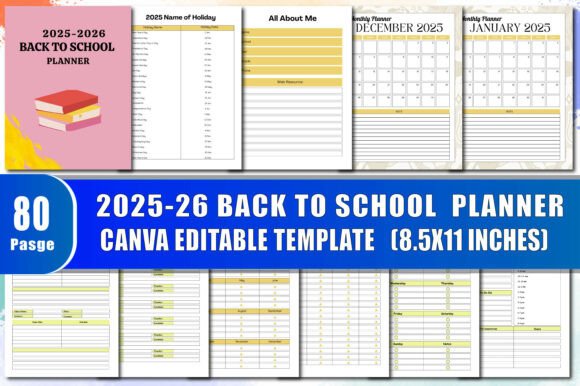
The 2025 - 2026 Back to School Planner is a comprehensive tool designed to help educators, students, and parents organize their academic year with precision and purpose. This planner is not just a calendar; it's a strategic framework that supports long-term planning, goal setting, and daily productivity. Whether you're an educator preparing for the upcoming school year or a student aiming to stay on top of assignments, this planner offers a structured approach to managing time, responsibilities, and expectations.
Why the 2025 - 2026 Back to School Planner Matters
In today’s fast-paced educational environment, having a well-organized plan is essential. The 2025 - 2026 Back to School Planner provides a detailed layout of the entire academic year, from January 2025 through December 2026. It includes monthly calendars, holiday schedules, class overviews, and personal tracking features such as birthday trackers and important date reminders. This level of detail ensures that users can anticipate events, manage deadlines, and maintain a balance between academic and personal life.
For educators, this planner is invaluable in creating lesson plans, setting classroom rules, and outlining weekly objectives. For students, it helps in tracking assignments, managing study time, and staying aligned with academic goals. The inclusion of a "Class Overview" and "Lesson Planner" sections allows for seamless integration of curriculum planning into daily routines.
Strategic Use Cases for the 2025 - 2026 Back to School Planner
The 2025 - 2026 Back to School Planner can be used in multiple ways depending on individual needs. Here are some strategic use cases:
- Academic Planning: Teachers can use the planner to outline their curriculum, set weekly goals, and track student progress. The "Daily Planner" and "Weekly Planner" sections make it easy to break down lessons into manageable tasks.
- Personal Organization: Students can use the planner to keep track of homework, exams, and extracurricular activities. The "To Do Task List" and "Assignment Tracker" ensure that nothing falls through the cracks.
- Parental Involvement: Parents can use the planner to monitor their child’s academic progress, set family routines, and stay informed about school events. The "Contact List" and "Birthday Tracker" features facilitate communication and celebration of milestones.
- Entrepreneurial Applications: Educators and creators can leverage the planner to manage their own projects, track client interactions, and plan content creation schedules. The "Annual Planner" and "Important Date" sections are particularly useful for those juggling multiple roles.
How to Approach the 2025 - 2026 Back to School Planner
Using the 2025 - 2026 Back to School Planner effectively requires a thoughtful approach. Start by identifying your primary goals for the academic year. Are you looking to improve student engagement? Reduce stress? Enhance productivity? Once your goals are clear, align the planner’s features with these objectives.
Begin by filling out the "All About Me" section to set the tone for the year. This section can include personal goals, values, and aspirations. Next, use the monthly calendars to schedule key events, holidays, and deadlines. The "Class Info" and "Class Overview" sections should be populated with relevant details about each course or subject.
It's also important to integrate personal routines into the planner. The "Before School Routine" and "After School Rules" sections can help establish consistent habits that support learning and well-being. By incorporating these elements, the planner becomes a dynamic tool that evolves with your needs throughout the year.
Practical Examples and Tips
Let’s consider a practical example. A teacher using the 2025 - 2026 Back to School Planner might start by outlining their lesson plans for the first quarter. They could use the "Weekly Responsible" section to assign specific tasks to students and the "Lesson Planner" to structure each day’s activities. Meanwhile, they can use the "Important Date" section to mark parent-teacher conferences and school holidays.
A student, on the other hand, might use the "Daily Planner" to allocate time for studying, attending classes, and participating in extracurricular activities. The "To Do Task List" can serve as a reminder of upcoming assignments, while the "Birthday Tracker" helps them stay connected with friends and family.
For parents, the "Contact List" and "Birthday Tracker" features provide an easy way to keep track of important contacts and celebrations. The "Annual Planner" can be used to plan family trips, vacations, and other significant events around the school calendar.
Risks of Using the Planner Without Clear Goals
While the 2025 - 2026 Back to School Planner is a powerful tool, its effectiveness depends on how it is used. If you approach it without clear goals or context, you may end up with a cluttered calendar that doesn’t reflect your priorities. This can lead to wasted time, missed opportunities, and a lack of focus.
To avoid these pitfalls, it's crucial to define your goals before using the planner. Ask yourself: What do I want to achieve this academic year? How will this planner help me reach those goals? Once you have answers to these questions, you can tailor the planner to meet your specific needs.
Conclusion
The 2025 - 2026 Back to School Planner is more than just a calendar—it's a strategic resource that empowers educators, students, and parents to take control of their academic journey. By using it thoughtfully and intentionally, you can enhance productivity, reduce stress, and achieve better outcomes. Whether you're planning lessons, tracking assignments, or managing personal routines, this planner offers a flexible and customizable solution that meets the needs of diverse users. With its comprehensive features and user-friendly design, it's an essential tool for anyone looking to succeed in the 2025 - 2026 academic year.